
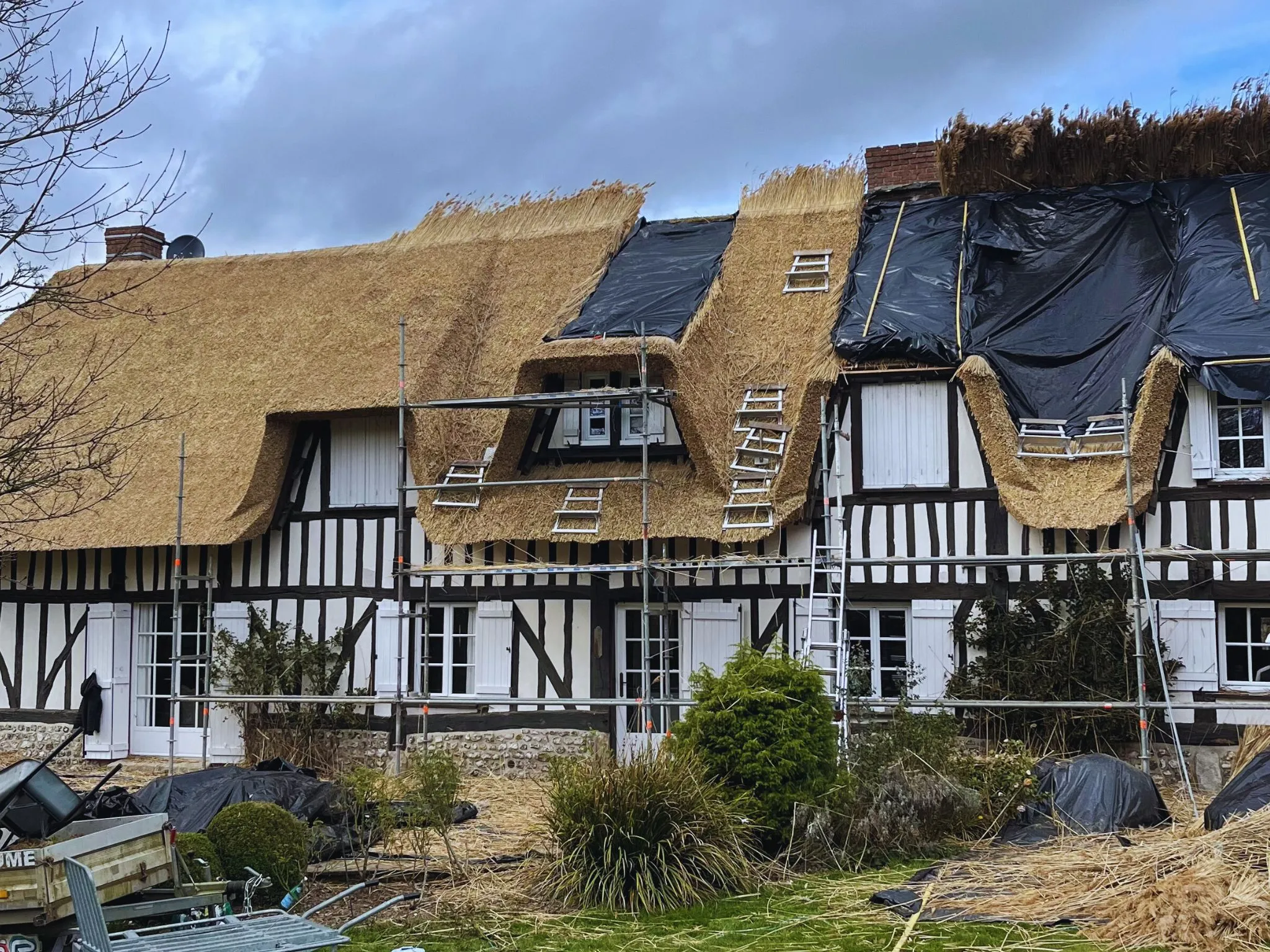
Premium thatched roofs across Hungary
New roofs, repairs, renovation and dismantling with Hungarian and Western European experience.
New roofs, repairs, renovation and dismantling with Hungarian and Western European experience.


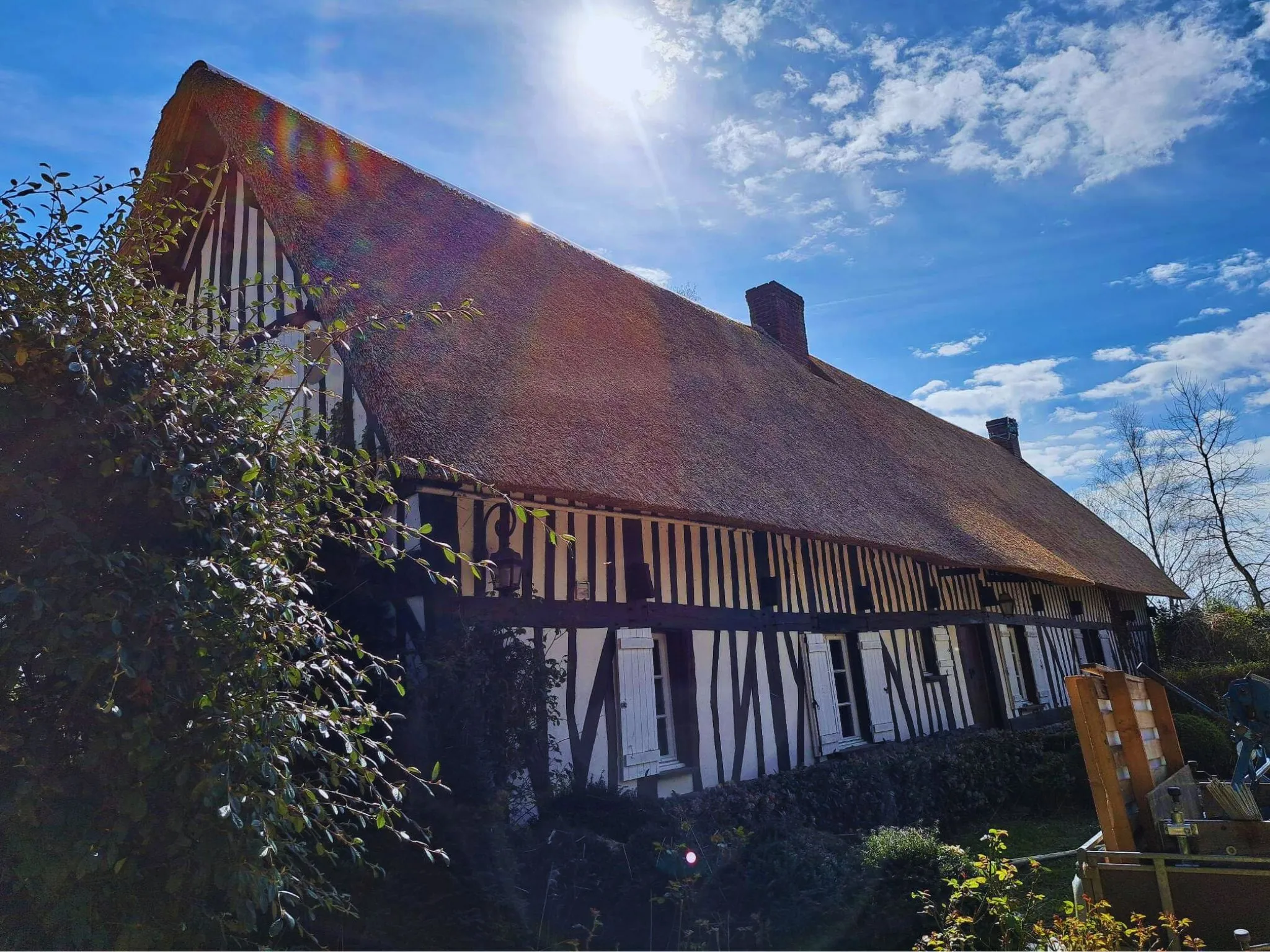
A storm does not always leave dramatic damage at first glance. Yet wind, hail or falling branches can open small weak points that become serious during the next rainfall. The first day is about documenting, protecting and deciding whether expert help is needed immediately.
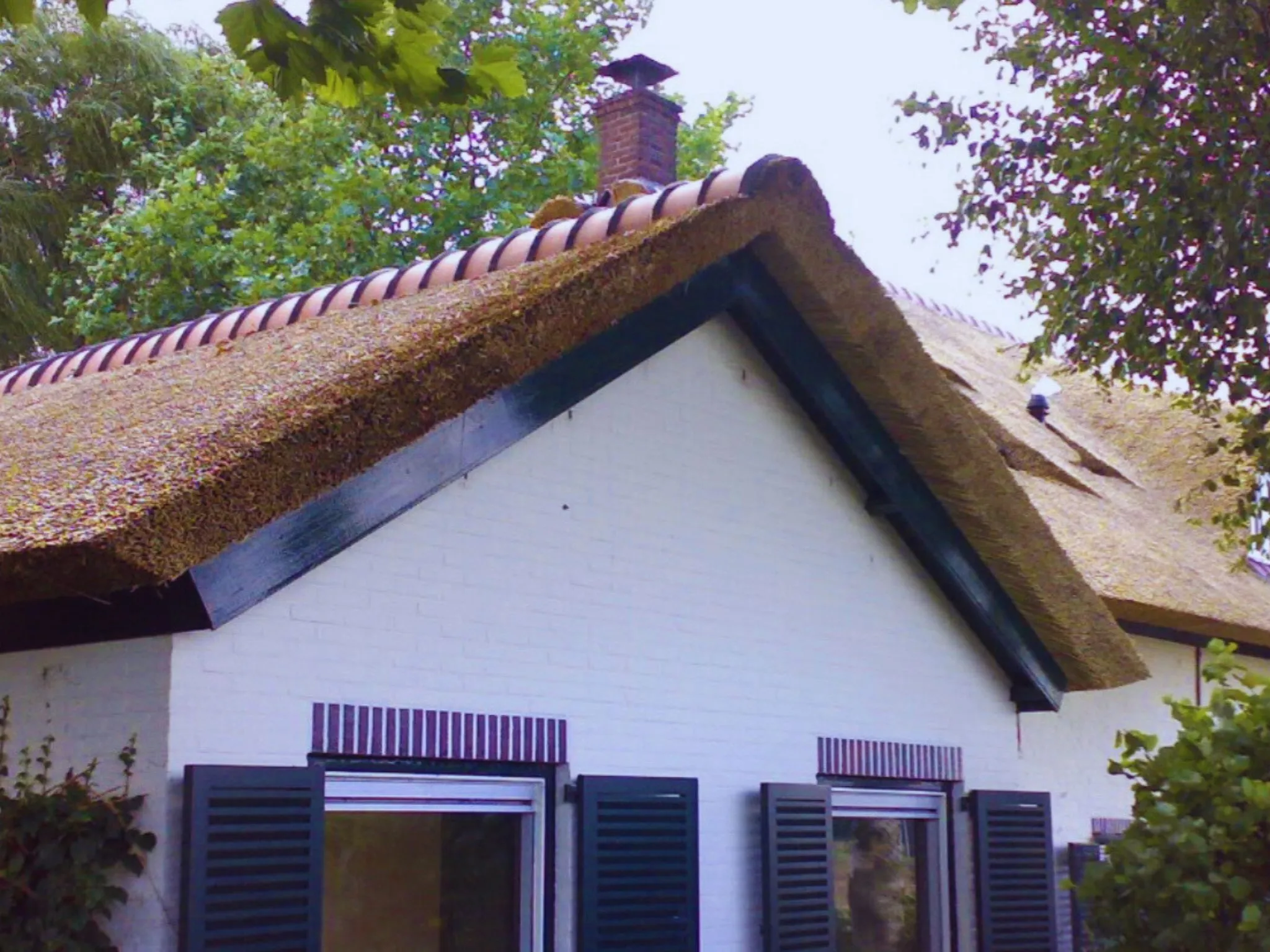
Look for opened or shifted areas, damage at the ridge and edges, fallen branches, fresh reed movement and any sign of water entering the building. If the roof is high or slippery, do not climb onto it; inspect from a safe position.
Good photos help a specialist understand urgency before arriving on site.
Do not wait if water is already entering, if the ridge is damaged, if a larger surface has opened or if a branch has struck the roof. Temporary protection may help, but it should not replace professional assessment.
Call quickly when leaks are active, the structure looks disturbed, the same area keeps getting wetter, or you cannot tell whether the damage is local or wider. In storm situations, early inspection often determines whether a small repair remains small.
The first 24 hours after storm damage are not about panic, but about clarity. Safe inspection, good documentation and timely professional judgement reduce the chance that a manageable defect grows into a much larger repair.
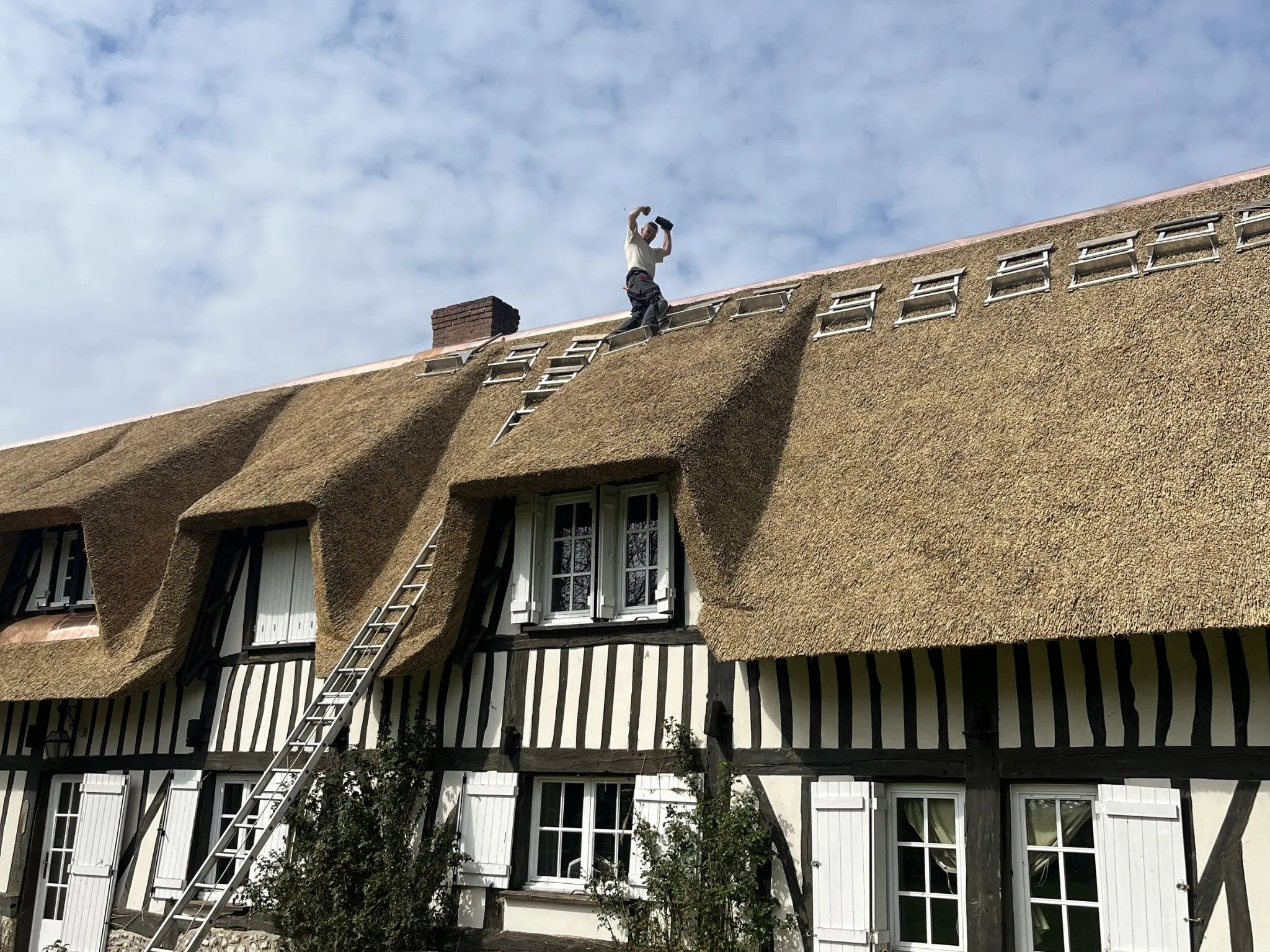

Request a quick assessment after storm damage